Blackfriars and Beyond: Discover the Historic Heart of Central London
Set between the River Thames and the ancient streets of the City of London, the Blackfriars area offers a rich and walkable introduction to the capital’s history and character. From the grandeur of St Paul’s Cathedral to the storied lanes of Fleet Street and the legal quarters of Holborn, this neighbourhood weaves together centuries of architecture, culture, and daily life. Well connected yet full of hidden corners, Blackfriars is a place where London’s past and present come together—best explored on foot, at an unhurried pace.
Butterfly Caress is conveniently located in Central London near Blackfriars and St Paul's, making us easy to reach whether you live locally, work in the City or are visiting London. If you're planning a visit, explore some of the historic landmarks and neighbourhoods within easy reach of our location below.
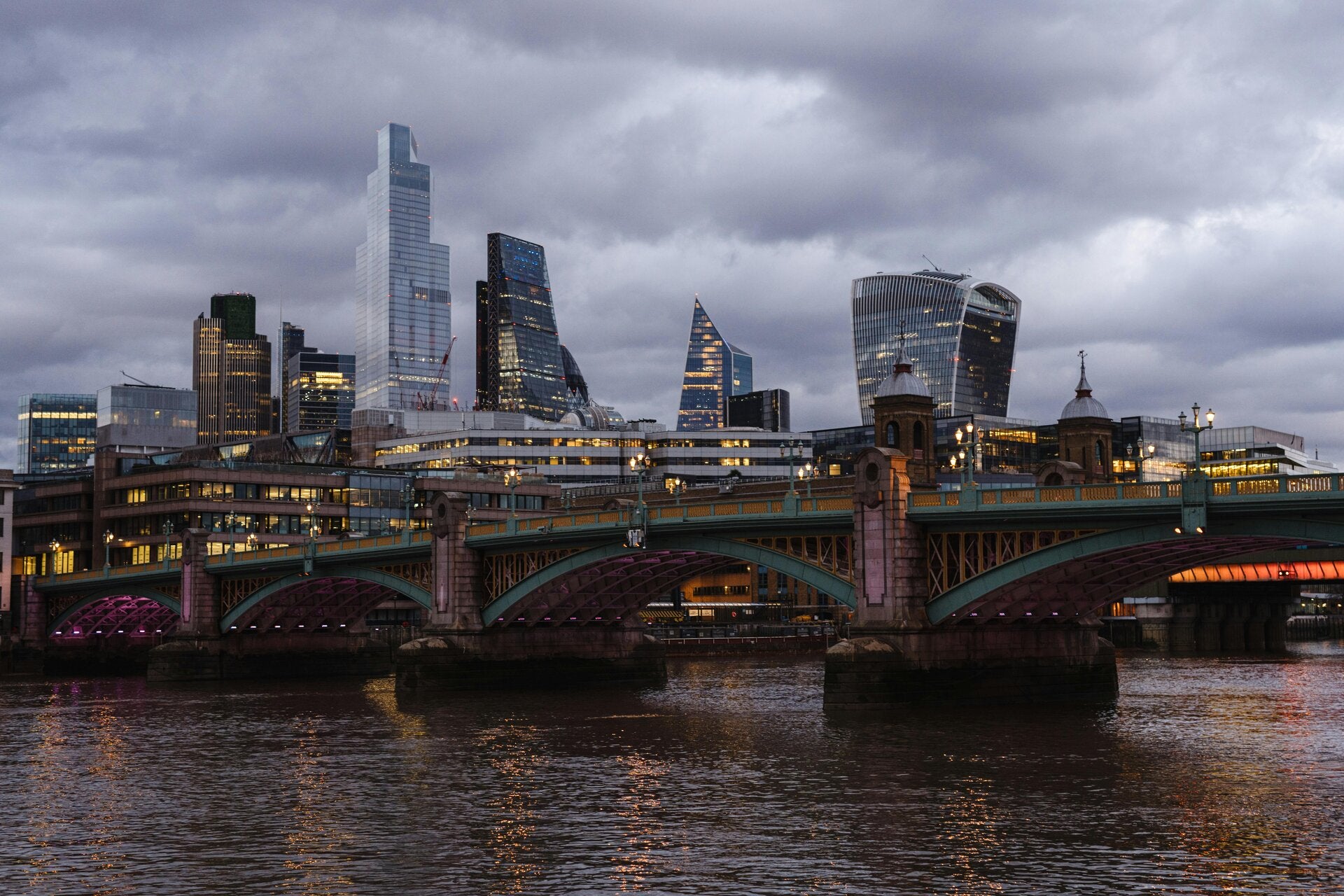
Blackfriars: Where the City Meets the Thames
Blackfriars occupies a unique position in London, sitting at the meeting point of the historic City, the legal districts, and the river Thames. Its name comes from the Dominican friars who once settled here in the medieval period, and traces of this long history still shape the area today. Blackfriars Bridge connects north and south London, offering striking views along the river and towards landmarks such as St Paul’s Cathedral and Tate Modern.
Today, Blackfriars is both a working district and a place of discovery. Modern office buildings sit alongside historic churches, quiet courtyards, and riverside pubs. Excellent transport links via Blackfriars Station make it a convenient base for exploring central London, while the Thames Path provides a calmer, scenic route through the city. It’s an area where London’s commercial energy and historic character co-exist seamlessly.
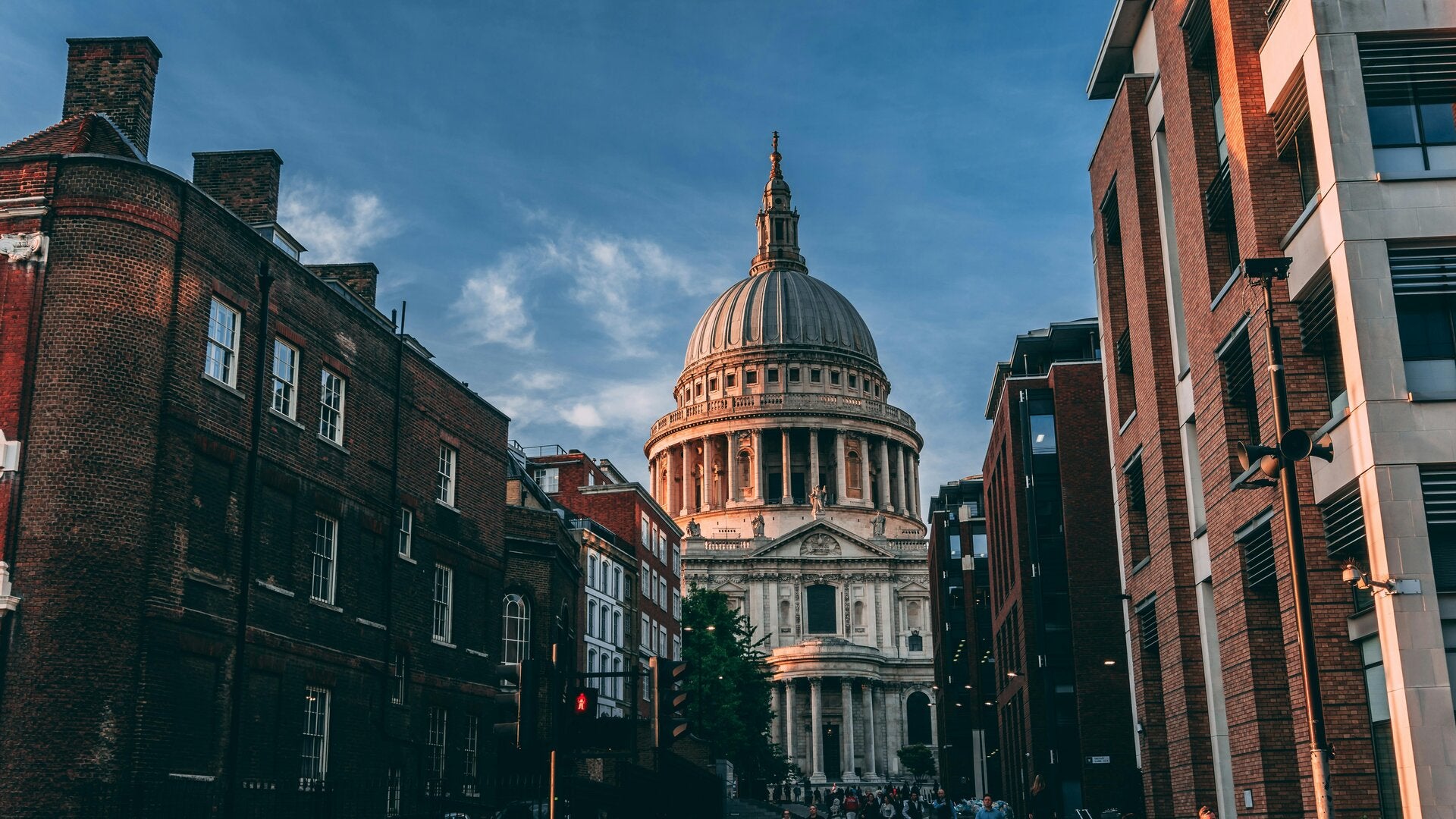
St Paul’s Cathedral: A Timeless Landmark
St Paul’s Cathedral stands as one of London’s most recognisable and enduring symbols. Designed by Sir Christopher Wren after the Great Fire of London, its magnificent dome has dominated the skyline for over three centuries. The cathedral has witnessed key moments in British history, from royal celebrations to national memorials, and continues to play an active role in the life of the city.
Inside, visitors encounter vast spaces, intricate mosaics, and the famous Whispering Gallery, where sound travels in remarkable ways. Climbing higher rewards visitors with sweeping views across London, stretching from the Thames to the modern towers of the City. Outside, the cathedral’s steps and surrounding churchyard provide a popular meeting place, as well as a peaceful pause amid the bustle of nearby streets.
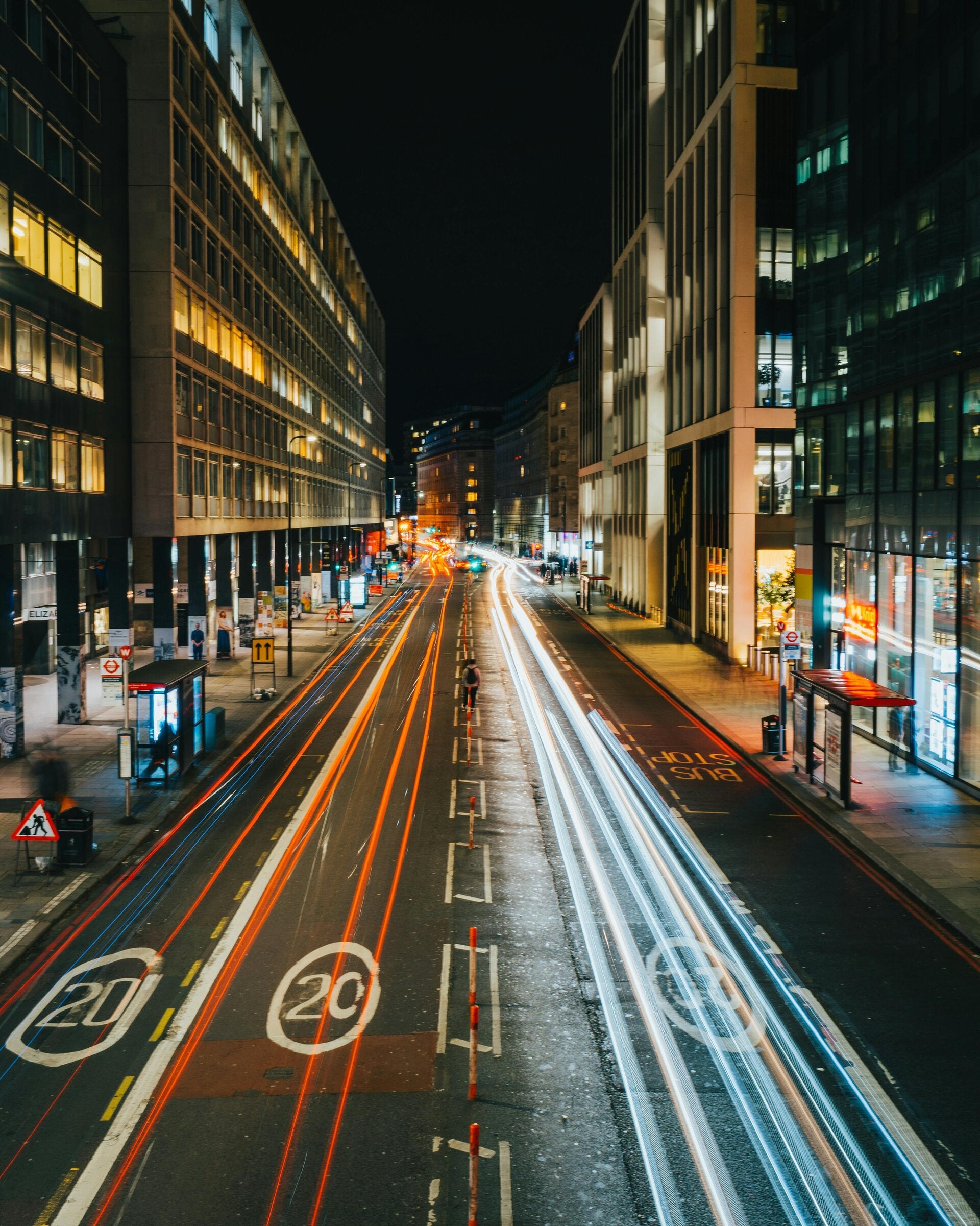
Fleet Street: The Historic Heart of Journalism
Fleet Street is best known as the former home of Britain’s newspaper industry, but its story stretches back much further. Running from Holborn to Ludgate Circus near Blackfriars, the street has long been a centre of publishing, printing, and legal life. Though the newspapers have moved on, the spirit of storytelling remains embedded in its buildings and backstreets.
Hidden alleyways, historic taverns, and centuries-old churches line Fleet Street, each with its own tales to tell. St Bride’s Church, with its distinctive spire said to have inspired the modern wedding cake, is a particular highlight. Walking along Fleet Street today reveals a quieter but richly layered part of London, where echoes of ink, presses, and headlines still linger.
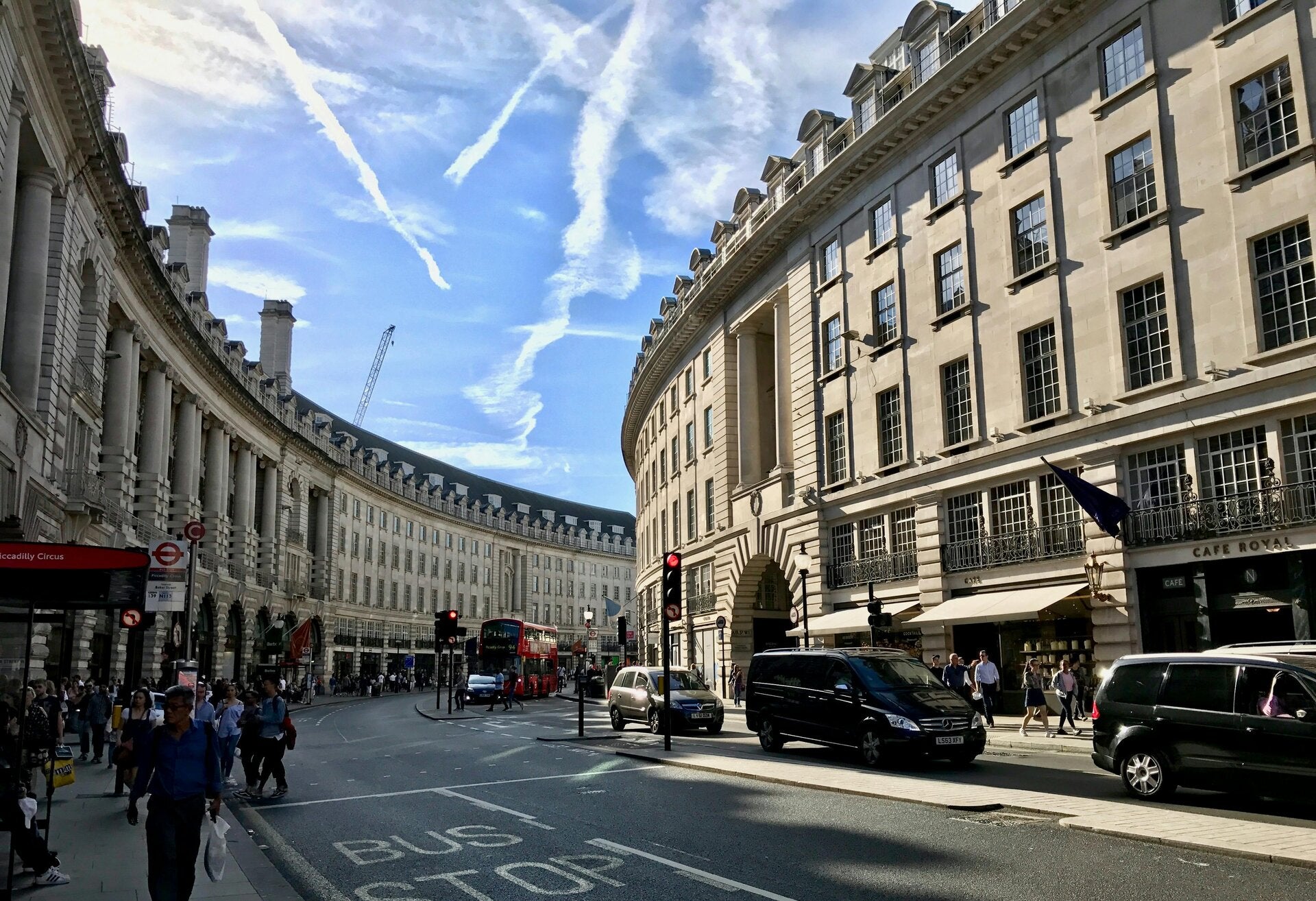
Holborn: The Legal & Literary Heart of London
Holborn is best known as the historic hub of Britain's legal profession, but its story goes back centuries further. Stretching from the City boundary near Chancery Lane to the elegant squares and streets toward Bloomsbury, the area has long been a centre of law, literature, and quiet intellectual life. Though the grand courts and inns of court still dominate, the echoes of writers, architects, and hidden histories linger in its buildings and passages.
Narrow alleys, ancient taverns, and centuries-old churches dot the district, each with tales to tell. Lincoln's Inn Fields — London's largest public square — offers peaceful green space surrounded by elegant Georgian terraces, while the Sir John Soane's Museum nearby preserves the extraordinary home of the Regency architect, crammed with curiosities and architectural treasures. St Etheldreda's Church, a remarkable surviving medieval church dating from the 13th century, stands tucked away in Ely Place.
Walking through Holborn today reveals a quieter but richly layered side of the city, where the weight of legal tradition meets literary ghosts — from Charles Dickens' former home nearby to hidden gems like the Ye Olde Mitre pub in a secret court — and the past still quietly shapes the present.

Visiting Butterfly Caress?
If you're visiting Central London and would like to plan an appointment during your stay, our discreet location is conveniently situated near Blackfriars and St Paul's stations. Visit our Location & Contact page for location information and to check availability.